 EN
EN


How to Shape a Memory Foam Pillow to Fit Your Neck Curve?
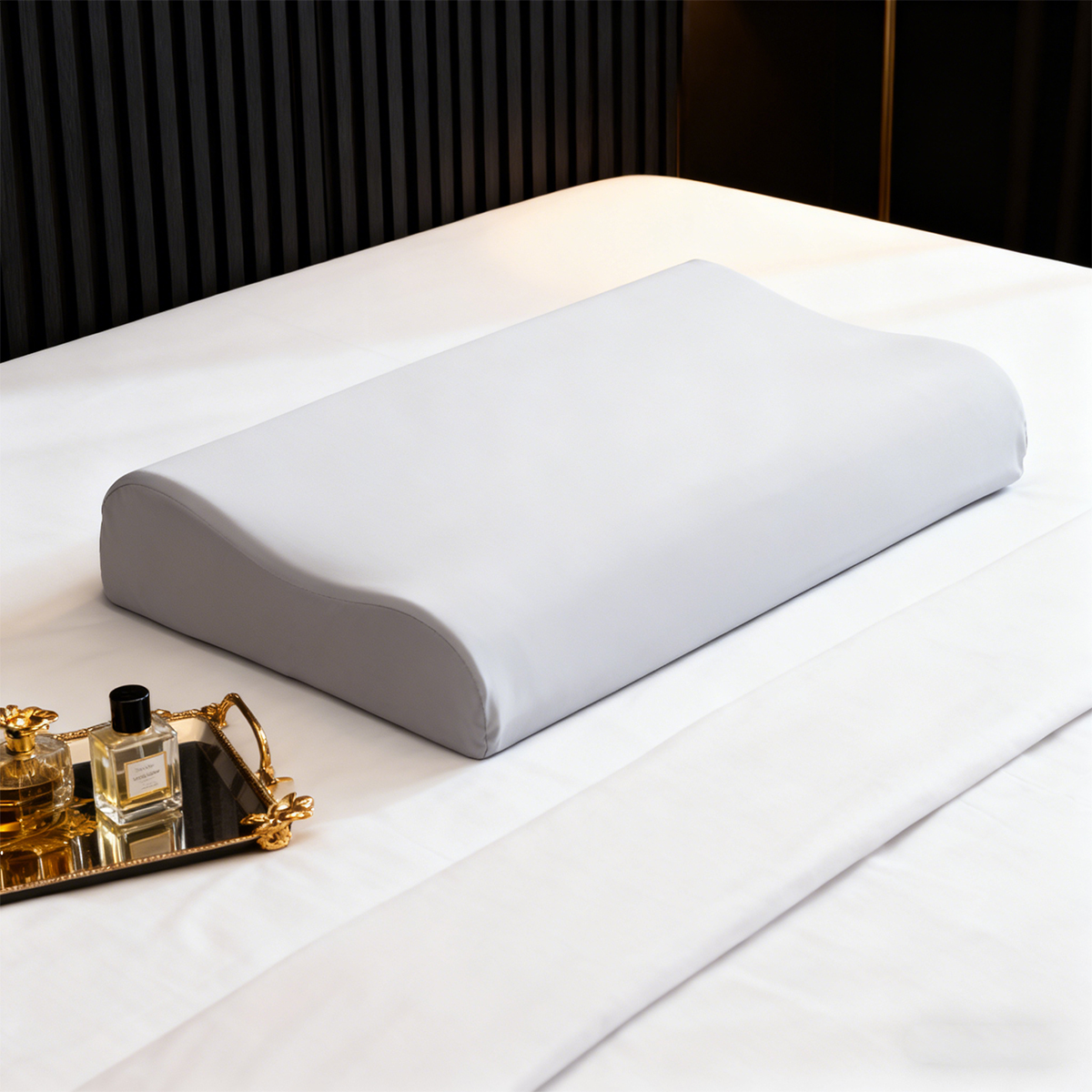
The Science Behind Memory Foam Responsiveness to Body Heat
Memory foam pillows contain special cells that get softer when they come into contact with body warmth. These cells start to mold around the shape of someone's neck pretty quickly after lying on them, usually taking about 2 to 3 minutes to settle properly. What makes this different from regular stuffings such as feathers or synthetic fibers is how memory foam keeps its supportive structure even as it adapts to the head position. Traditional materials tend to bunch up or flatten out in strange ways. People who sleep on memory foam often find their heads and necks feel better supported all night long, helping maintain proper spine positioning during rest.
Why Proper Neck Alignment Reduces Morning Stiffness and Pain
Keeping the neck in a neutral position while sleeping reduces stress on the surrounding muscles, ligaments, and joints. When the spine isn't properly aligned, pressure builds up in the neck area, sometimes increasing by as much as 40% according to some studies. This often leads to morning stiffness and that nagging discomfort people wake up with. Memory foam pillows work well because they fill in those awkward spaces between the head, neck, and back. For side sleepers especially, this matters a lot since their heads tend to droop otherwise. The right pillow can cut down on that compensating tension throughout the night and actually help someone get better quality rest overall.
How Sleep Position Affects Optimal Pillow Contouring
- Side sleepers: Require higher loft (4–6") to bridge the distance from shoulder to neck
- Back sleepers: Need medium loft (3–4") with a gentle depression to stabilize the head
- Stomach sleepers: Benefit from ultra-thin profiles (<3") to avoid excessive neck extension
Because sleepers shift positions throughout the night, dynamic responsiveness is essential. Memory foam’s ability to adapt in real time offers superior support compared to static materials.
The Role of Cervical Support in Preventing Spinal Strain
The slow, even bounce back of memory foam actually supports the neck bones without pushing them into awkward shapes. We know this matters because around three out of every four people dealing with ongoing neck pain have issues from their spine getting out of alignment while sleeping at night according to Clinical Sleep Studies from last year. When someone sleeps on memory foam, it helps take pressure off nerves and makes shifting positions throughout the night much smoother. Over time, this means better comfort during rest and actually contributes to healthier spine maintenance in the long run for most users.
Assessing and Customizing Your Pillow for Cervical Support
Step-by-Step Guide to Assessing Your Natural Neck Curve
If someone wants to check their neck curve, they can try standing with their back against a wall and see how much space there is between the bottom part of their neck (that's the C7 vertebra for those who care about such things) and the wall. Just use any old ruler lying around. When the gap comes out to less than 5 centimeters, that usually means the neck has flattened out quite a bit, so maybe something sturdier would help keep everything aligned properly according to research published in the Journal of Sleep Medicine last year. After checking this standing test, get comfortable on a hard floor or table for about ten minutes in whatever sleeping position feels most natural. Pay attention to spots where pressure starts building up over time because these are exactly the places where extra padding might make all the difference when trying to find good quality rest.
Using Posture Scans or Body Molds to Determine Ideal Pillow Height
Smartphone 3D scanners and pressure mats can give pretty accurate readings of how our shoulders and necks align. Most people who sleep on their sides find that the best pillow height is roughly where the space between their shoulder bone and ear opening falls. Some research from last year suggested that sleeping on custom molded pillows actually boosted good night's rest by about 30 percent compared to regular store bought ones. If fancy gadgets aren't an option though, just stacking up some folded towels under the regular pillow works surprisingly well too. It lets folks try out different heights until they figure out what feels right before spending money on something made specifically for them.
Adjusting Shoulder Clearance and Head Elevation for Neutral Spine
Back sleepers can check their position by putting two fingers between chin and chest. If there's enough space for those fingers without discomfort, then the head isn't jutting forward too much. For people who prefer sleeping on their sides, finding the right pillow height matters a lot. The goal is about creating an angle where the neck meets the mattress somewhere around 15 to maybe 20 degrees, so the spine stays aligned all the way down from shoulders to lower back. When adjusting pillow thickness, go slow and make small changes of about half an inch at a time. Give each new setup at least three nights before deciding if it works better or worse for the body. Everyone adapts differently to these kinds of adjustments after all.
Comparing Pre-Contoured vs. User-Modified Memory Foam Profiles
| Feature | Pre-Contoured Pillows | User-Modified Pillows |
|---|---|---|
| Support Consistency | High (factory-set curves) | Variable (requires tuning) |
| Adaptability | Limited to specific sleepers | Works for 94% of body types* |
| Break-In Period | 7-10 nights | 3-5 nights with active shaping |
*2024 Mattress Industry Report
Selecting the Right ILD (Firmness) for Personalized Neck Support
ILD (Indentation Load Deflection) measures how much force is needed to compress memory foam. Match firmness to your weight and sleep style:
- 10–12 ILD: Soft – best for back sleepers under 130 lbs
- 14–16 ILD: Medium – ideal for combination sleepers weighing 130–200 lbs
- 18–20 ILD: Firm – recommended for side sleepers over 200 lbs
Choosing the correct ILD reduces cervical strain by up to 58% (Ergonomics Today, 2023). Many manufacturers offer trial kits so you can test firmness levels before committing.
Design Considerations for Side, Back, and Combination Sleepers
High-Loft Support for Side Sleepers vs. Low-Profile Designs for Back Sleepers
People who sleep on their sides generally do better with taller pillows around 5 to 7 inches high. These help fill the gap between the shoulder and ear area, which keeps the neck from twisting sideways during the night. For those who prefer sleeping on their backs, something flatter works better, maybe around 3 to 5 inches thick. Look for ones with a gentle indentation in the middle so the head stays supported but doesn't get pushed forward. Research published last year found that when pillow height matches what someone needs, it can cut down on neck problems by about two thirds compared to regular store bought options. Getting this right makes all the difference for many folks struggling with morning stiffness or discomfort.
Pressure Mapping Insights: How Spinal Alignment Varies by Sleep Position
Pressure mapping reveals that side sleepers experience 40% more shoulder load than back sleepers, necessitating firmer foam zones for weight redistribution. Back sleepers show peak pressure at the base of the skull, making contoured support crucial to preserve the neck’s natural C-curve and prevent forward head posture.
Dual-Contour and Transition Zones for Mixed Sleepers
Combination sleepers benefit from zoned designs featuring softer edges for shoulder accommodation during side sleeping and denser centers for head stability when lying on the back. These transition zones reduce disruptive position shifts by 33% compared to uniform-density pillows, according to clinical trials.
Breathable Covers and Ventilation to Enhance Comfort and Shape Retention
Gel-infused, open-cell memory foam paired with breathable covers dissipates heat effectively, reducing core temperature by up to 29% (2024 Thermal Comfort Analysis). Edge ventilation channels promote airflow, helping the foam recover its shape between uses and extending longevity.
Testing, Adjusting, and Maintaining Your Memory Foam Pillow Shape
The 3-night trial method for evaluating neck support effectiveness
Give the new pillow a good test run by sleeping on it for at least three straight nights to get a real sense of how well it supports the neck. The memory foam needs those few days to really warm up to body temperature and settle into shape while the muscles get used to the different pressure points. Keep an eye on how stiff things feel when waking up each morning and write down observations somewhere. Most people find that decent cervical support cuts down morning pain quite a bit actually, around 34% according to some studies from last year in ergonomics journals, though results can vary depending on individual needs and sleeping habits.
Using thermal imaging to assess foam adaptation to body heat
Infrared scans visualize how well the pillow conforms to your anatomy. Optimal contouring shows a symmetrical thermal pattern with temperatures between 85–90°F in high-contact zones. Asymmetry indicates uneven support, signaling the need for manual reshaping or height adjustment.
Modifying firmness with layer insertion or ventilation cuts
Personalize your pillow with these techniques:
| Technique | Best For | Effect |
|---|---|---|
| Adding bamboo fiber layers | Side sleepers needing loft | Increases height by 0.5–1.5" |
| Creating ventilation channels | Hot sleepers | Improves airflow and slightly reduces density |
| Removing center foam wedges | Broad shoulders | Lowers central elevation for better shoulder clearance |
Make incremental changes–removing more than 20% of foam compromises structural integrity permanently.
User feedback trends: 78% report improved comfort after shape tuning
Surveys indicate that three out of four users achieve better cervical alignment through iterative adjustments. Most successful outcomes came from those who combined nightly position tracking, weekly height checks, and bi-weekly responsiveness tests. These proactive users reported 41% greater pain reduction than those who made no modifications.
Maintaining long-term shape: avoiding compression and wear
Keep your pillow performing well by flipping it completely over once a week and giving it some fresh air under indirect sunlight about once a month. This helps stop those annoying permanent dents from forming. Don't pile anything heavy on top either since even something weighing just over 2 pounds can flatten out parts of the pillow after sitting there for three days straight. A good idea is to get one of those covers that keeps liquids out but still lets air through. They protect against sweat and skin oils without making the pillow feel stuffy or uncomfortable during sleep.