 EN
EN


How to Wash Pillow Covers Without Damaging the Pillow Interior?
Time : 2025-11-24
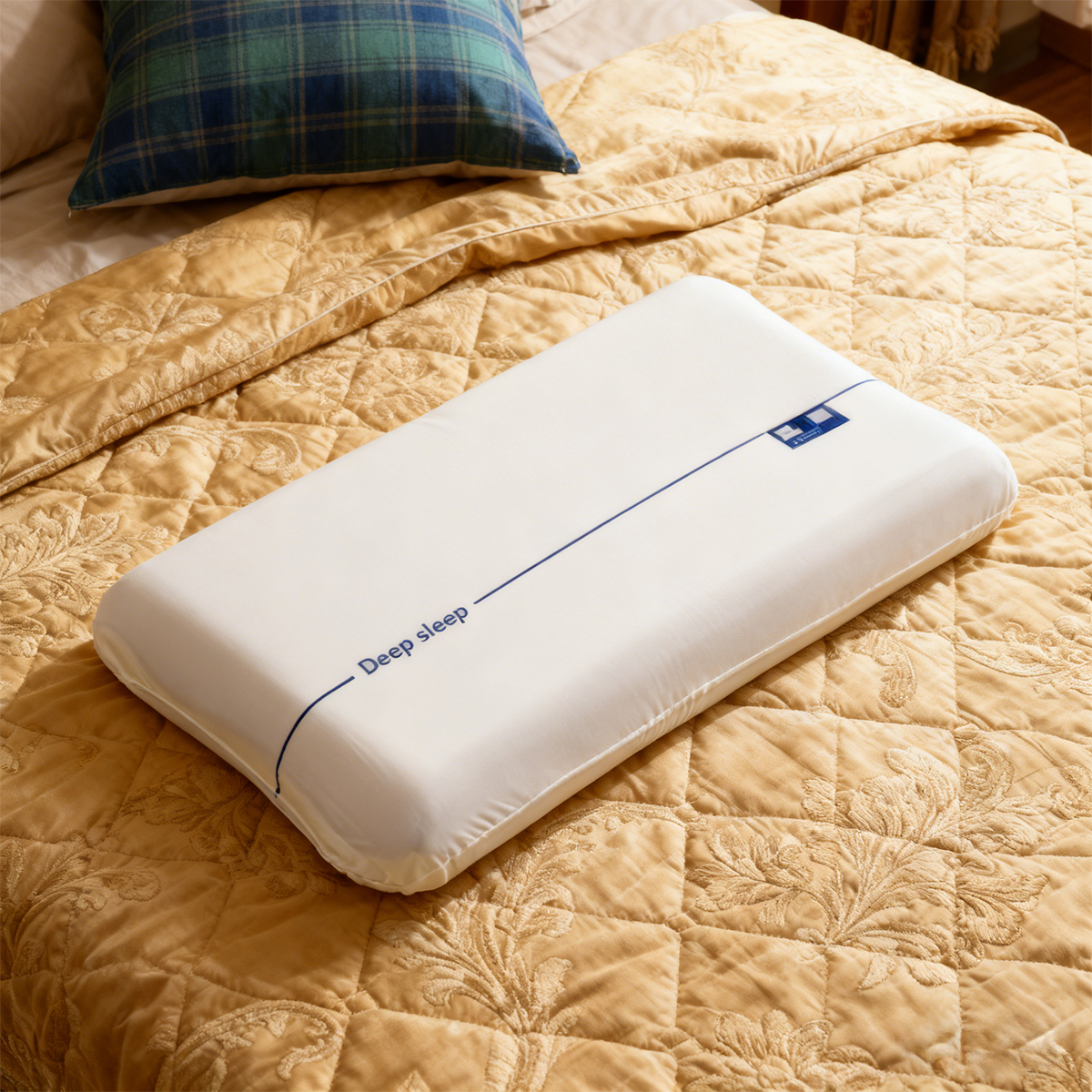
Pillows are essential for a good night’s sleep, and their covers play a key role in keeping them clean, hygienic, and comfortable. But washing pillow covers the wrong way can lead to water damage, mold growth, or deformation of the pillow interior—whether it’s memory foam, silicone, or down filling. Many people overlook the importance of proper pillow cover cleaning, accidentally ruining their favorite pillows in the process. The goal is to keep pillow covers fresh without letting moisture or harsh chemicals seep into the interior. Let’s explore practical steps and tips to wash pillow covers safely, preserving both the cover and the pillows inside.
Check the Care Label First for Pillow-Specific Guidelines
Before washing any pillow cover, always check the care label on both the cover and the pillows themselves. This small step saves you from costly mistakes. The label will indicate if the cover is machine washable or needs hand washing, recommended water temperature (usually cold or warm—hot water can shrink fabrics or damage sensitive pillow materials), and whether it can be tumble dried or needs air drying. For example, memory foam pillows often require their covers to be washed gently to avoid getting the foam wet, while down pillows may allow machine washing but with mild detergent. If the care label says “dry clean only,” don’t attempt to wash it at home—take it to a professional to prevent ruining the pillow interior. Ignoring these guidelines is the top reason pillows get damaged during cover cleaning, so always start with this simple check.
Remove and Prepare Pillow Covers Properly
Proper preparation ensures that water and detergent don’t reach the pillow interior. Start by carefully removing the cover from the pillows—unzip or unbutton gently, avoiding pulling or stretching the fabric (this can loosen seams over time). If the cover has a separate inner lining, remove that too if it’s washable. Shake off any loose debris (like dust or crumbs) from the cover and the pillow surface. For pillows with delicate fillings (such as silicone or memory foam), place a clean towel around the pillow to absorb any accidental moisture during the process. If the cover has stains (like sweat or makeup), pre-treat them with a mild stain remover—dab gently with a cloth instead of scrubbing, which can damage the fabric and push stains deeper. Never soak the cover for long periods, as excess water can seep into the pillows even if you’re careful. Proper preparation creates a barrier between the wash and the pillow interior, keeping it safe.
Choose the Right Washing Method for Different Pillow Covers
The washing method depends on the cover material and the type of pillows inside. For most machine-washable covers (cotton, linen, or polyester blends): use a gentle cycle with cold or warm water, and add a mild, fragrance-free detergent (harsh chemicals can irritate skin and damage pillow fillings). Wash the cover alone or with other soft items (like pillowcases) to avoid friction from heavy fabrics. For delicate covers (lace, silk, or knit), hand washing is safer: fill a basin with lukewarm water and a small amount of gentle detergent, submerge the cover, and swish gently for 5-10 minutes. Rinse thoroughly with clean water until no soap suds remain—squeeze gently to remove excess water (don’t wring, which stretches the fabric). For waterproof or stain-resistant covers, avoid bleach or fabric softeners, as they can break down the protective coating. Whatever method you use, never overload the washing machine or basin—this prevents proper cleaning and increases the risk of water seeping into the pillows.
Dry Pillow Covers Thoroughly Before Reassembling
Drying is just as important as washing—moisture trapped between the cover and the pillow interior leads to mold, mildew, and unpleasant odors. For machine-dryable covers, use a low-heat or air-dry setting in the tumble dryer. Add a few clean tennis balls or dryer balls to fluff the cover and prevent clumping. Check the cover periodically to ensure it’s completely dry—this may take 1-2 cycles for thicker fabrics. For hand-washed or delicate covers, air dry them flat on a clean towel or hang them on a clothesline in a well-ventilated area. Avoid direct sunlight, which can fade colors and weaken fabric fibers. Never put a damp cover back on the pillows—even slightly moist fabric can transfer moisture to the interior, ruining the pillows over time. If the cover feels cool or damp to the touch, let it dry longer. Thorough drying keeps both the cover and the pillows fresh and mold-free.
Additional Tips to Protect Pillows While Maintaining Covers
These extra tips help keep pillow covers clean longer and protect the pillows from damage:
- Use a removable, washable pillow protector under the cover—this adds an extra layer of defense against sweat, stains, and dust, reducing how often you need to wash the main cover.
- Wash pillow covers every 1-2 weeks (or more often if you sweat a lot or sleep with pets) to prevent dirt buildup that can seep into the pillows.
- Avoid using fabric softeners on covers for memory foam or silicone pillows—they can leave a residue that affects the pillow’s texture and breathability.
- For stubborn stains, test a small, hidden area of the cover with stain remover before applying it to the stain—this ensures the product doesn’t discolor or damage the fabric.
- If you accidentally get the pillow interior wet, blot it immediately with a dry towel, then air it out in a well-ventilated area (use a fan to speed up drying). Never put a wet pillow in the dryer, as this can cause clumping or damage to the filling.
In conclusion, washing pillow covers without damaging the interior requires checking care labels, proper preparation, choosing the right washing method, thorough drying, and following protective tips. Pillows are investments in your sleep quality, and taking care of their covers ensures they stay clean, comfortable, and durable for years. Whether your pillows have memory foam, silicone, down, or synthetic fillings, these steps keep the interior safe while keeping covers fresh. By making these practices a habit, you’ll enjoy clean, hygienic pillows and a better night’s sleep—without the frustration of damaged pillows. Remember, gentle care is key—treat your pillow covers and pillows with the same attention you give to other important sleep essentials.