 EN
EN


Using a Pillow Protector Prevents Stains and Dust Mites on Pillows.
How Pillow Protectors Block Stains and Moisture Damage
Preventing Penetration of Body Oils, Sweat, and Saliva
Pillow protectors act as important barriers against all that stuff we leave on our pillows every night body oils, sweat, even some saliva. These substances slowly wear down pillow materials over time. Regular pillowcases just aren't enough protection. Better quality protectors have really dense fabric weave or special membranes that stop those fluids from getting into the actual pillow itself. The thing is, our bodily fluids actually contain acids and enzymes that can eat away at both natural and man-made fibers. So when we use a good protector, it keeps the pillow intact longer and basically makes them last much better than without one.
Stopping Yellowing and Odor Buildup with Fluid-Resistant Barriers
Pillow protectors that resist fluids help stop those annoying yellow stains and lingering bad smells because they keep moisture out of the pillow stuffing. When liquid gets trapped inside, it basically becomes a breeding ground for bacteria plus starts oxidation processes that lead to discoloration and that musty odor nobody wants. The main trick is keeping things dry on the inside, so those unwanted reactions don't happen. This means pillows stay cleaner overall and smell better for months instead of needing constant washing or professional cleaning sessions every few weeks.
Comparing Stain Resistance: Polyurethane Laminate vs. Nanofiber Membranes
When it comes to keeping things clean, there are basically two main approaches for stain resistant protectors these days: polyurethane laminate (PUL) and those fancy nanofiber membranes. The PUL stuff works by bonding a polymer layer onto fabric surfaces, creating what manufacturers claim is completely waterproof protection against spills and messes. Then we have nanofiber membranes which actually have tiny little holes at microscopic level that push away liquids but let sweat vapor pass through, so people say they breathe better than regular materials. Both kinds stand up pretty well against stains, though many folks find that sleeping on nanofiber protected bedding feels nicer because it doesn't trap body heat as much and air can circulate more freely around them during the night.
How Pillow Protectors Shield Against Dust Mites and Allergens
Mechanical Exclusion: Matching Pore Size to Dust Mite Dimensions (0.1–0.3 mm)
Pillow protectors work against dust mites by creating a physical barrier. They're made from special fabrics where the tiny holes are less than 10 microns across, which is way smaller than those little pests actually are (they measure between 0.1 and 0.3 mm). What this means is the mites can't get into or out of the pillow anymore. Plus, they lose access to all those dead skin flakes that normally feed them. Without food, current mites starve, and new ones don't move in either. This helps cut down on allergens right where they start building up. For best results though, look for products that have been tested properly. The quality really matters because even small flaws in the material or stitching can let mites through over time. Most people find certified encasements give better protection in the long run when dealing with allergy issues.
Reducing Exposure to Major Allergens (Der p 1, Der f 1) by Up to 97%
Pillow protectors designed for high performance cut down on contact with those pesky dust mite allergens Der p 1 and Der f 1 by as much as 97% when compared to regular pillows without protection. The tiny particles measure between 10 and 40 microns in size and float around while people sleep at night. This leads to all sorts of uncomfortable allergy symptoms like sneezing fits, stuffy noses, and eyes that itch nonstop. When a pillow has a good seal around it, these little troublemakers stay trapped inside instead of getting loose and causing problems. Keeping the protector clean regularly helps maintain this barrier effect too. Most folks find that just washing them every few weeks keeps their allergy symptoms under control for the life of the pillow.
Do 'Breathable' Protectors Compromise Allergen Filtration? A Critical Analysis
Pillow protectors that breathe well actually work pretty good at keeping allergens out too, especially if they're made with stuff like nanofiber membranes or those tight microfiber weaves. The fabric lets air and sweat escape but keeps the holes really small, under 10 microns basically, which stops most dust mites and other allergy causing particles from getting through. Top quality ones can filter out around 95 percent of stuff without making sleeping uncomfortable. But watch out folks, just because something says breathable on the package doesn't always mean it works as advertised. Smart shoppers check for AAFA certification from the Asthma and Allergy Foundation of America before buying anything claiming to offer both good airflow and solid protection against allergens.
Preserving Structural Integrity by Reducing Moisture and Microbial Degradation
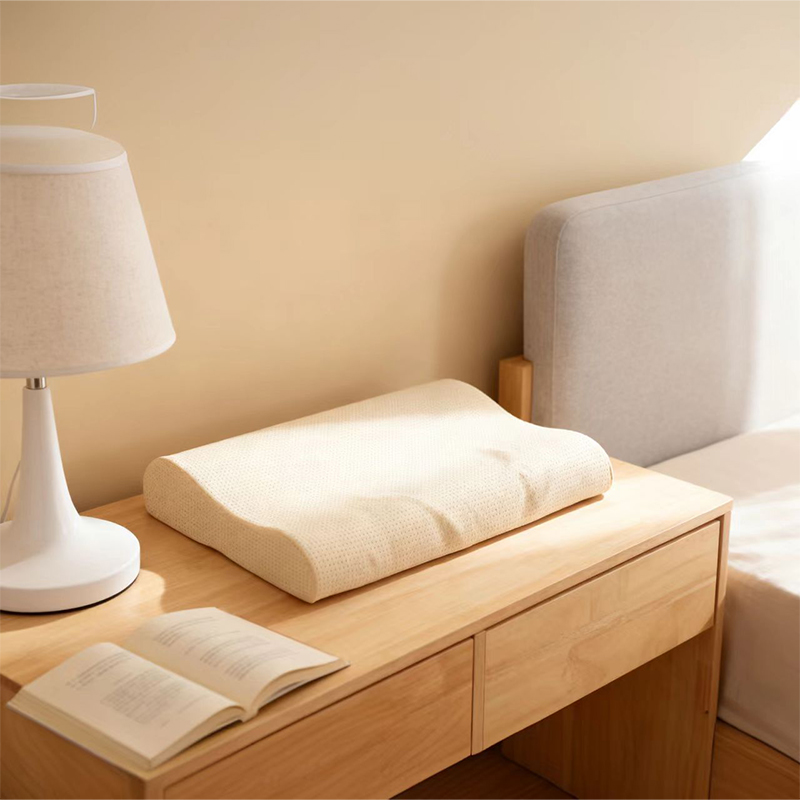
Sweat, spit, and regular humidity all work together to break down what's inside pillows, particularly those made with memory foam or down feathers. When things get damp inside, it creates the perfect breeding ground for bacteria and mold to grow, which doesn't just ruin the fibers but can actually make allergy symptoms worse for some people. Putting on a water resistant cover stops most of this moisture before it even gets to the inside layers. These covers keep things dry underneath, so the pillow stays in better shape longer without getting taken over by unwanted microbes. Most folks find that their pillows last much longer when protected properly, maintaining that comfortable feel they originally bought them for.
Maintaining Loft and Support in Memory Foam and Down Alternative Pillows
Pillows made from memory foam or down alternatives rely on maintaining their shape and bounce to keep spines aligned properly and relieve pressure points during sleep. When exposed to sweat and skin oils, memory foam tends to get softer than it should over time, which means it stops molding around the head and neck as effectively. Down alternatives have their own issues too - those synthetic fibers often bunch together or just flat out collapse after repeated use. That's where good quality protectors come in handy. They act as a barrier between the pillow and all those natural body fluids, so the inner materials stay intact longer. People who invest in these protectors generally find they sleep better through the night and don't end up replacing their pillows every few months like others do.
The Dual-Defense Mechanism: Combating Allergens and Bodily Soiling Together
Simultaneous Protection Against Biological Contaminants and Physical Stains
High quality pillow protectors provide two layers of protection all in one product. The fabric is super tight weave with holes way smaller than 0.1 mm, which keeps out those pesky dust mites measuring between 0.1 and 0.3 mm plus all their allergy causing droppings. These protectors also have special membranes that resist moisture so they won't stain from sweat, oil buildup, or even saliva during sleep. Regular pillowcases just slow down how fast liquids get absorbed, but these specially designed covers actually stop both living stuff like mites and non-living messes right at the beginning. According to Allergy & Asthma Network research from 2023, this kind of protection cuts down on allergens by as much as 97%. Plus, pillows stay looking cleaner for longer periods and maintain better hygiene overall.
Integrating Pillow Protectors into a Complete Allergen-Reduced Sleep Environment
To get the most out of them, pillow protectors work best when combined with other steps to cut down on allergens. That means getting those allergen-proof mattress covers and making sure all bedding gets washed every week in hot water. Putting these together helps reduce the amount of allergens hanging around where we sleep. Add some humidity control too keeping things under 50% inside the house and throw in a good HEPA filter for the air, and suddenly those pillow protectors aren't just accessories anymore but actually form the foundation of better sleeping conditions. People who suffer from allergies or asthma will notice real improvements because this whole package tackles not only dust mites but also other stuff floating through the air that can trigger reactions.