 EN
EN


How to Choose the Right Pillow Height for Side Sleepers?
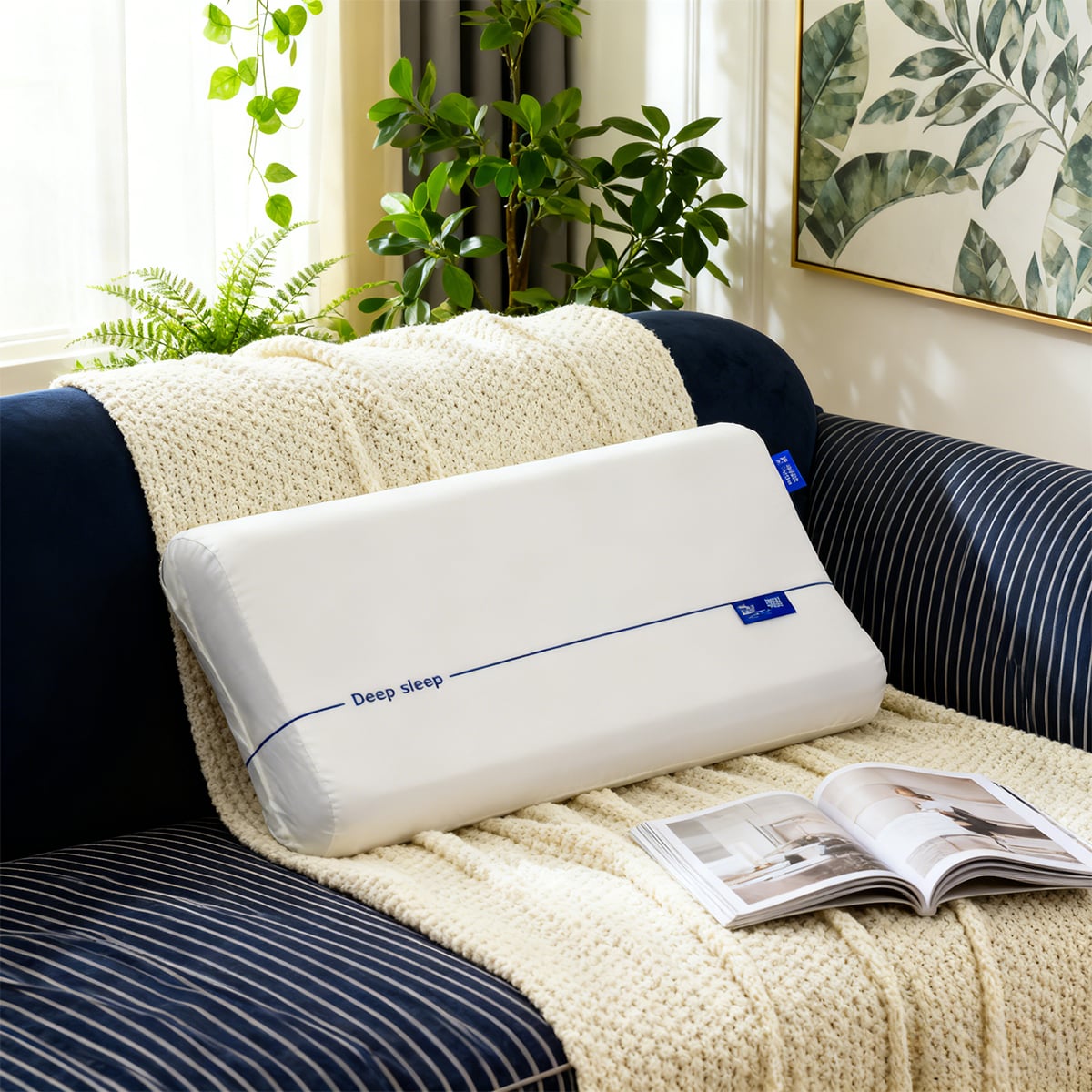
What Is Pillow Loft and Why It Matters for Side Sleepers
Loft is basically how tall a pillow stands before anyone even touches it. Side sleepers especially need good loft so their head, neck, and shoulders line up properly along the spine. When someone picks the wrong pillow height, it puts strain on the neck area which can make everything feel stiff and uncomfortable come morning time. Research indicates that about seven out of ten people who suffer from ongoing neck pain while sleeping on their sides actually have this problem because their pillows aren't the right height. That makes picking the right pillow much more important than most folks realize.
The Ideal Pillow Height Range for Side Sleepers (5–7 Inches)
Most research points to around 5 to 7 inches being just right for pillow loft if someone sleeps on their side. The idea is that this height helps fill the space between shoulders and head so the neck doesn't bend too far up or down during sleep. People with wider shoulders generally need something closer to 7 inches though, whereas folks with slimmer builds usually find medium height works better for them. According to an ergonomic study published last year, people who slept on 6 inch pillows woke up with about 40 percent less pain in the mornings than those stuck with regular old pillows. Makes sense really when thinking about how our bodies align during rest.
How Sleeping Position Influences Optimal Pillow Loft
When someone sleeps on their side, there tends to be more room between the head and the mattress surface than when lying on the back or stomach. For people who prefer side sleeping, they generally benefit from a pillow with more height to keep the spine aligned properly. Back sleepers typically work best with something around 3 to 5 inches thick, while those who rest on their stomachs usually need something flatter, less than 3 inches. Many folks actually switch positions throughout the night, so adjustable pillows filled with removable materials can really make a difference for these combination sleepers looking for comfort no matter how they end up resting.
Neck and Spine Alignment: The Foundation of Proper Pillow Height
Maintaining Neutral Head and Neck Positioning During Side Sleeping
Getting good alignment begins when the ears line up straight over the shoulders, so the neck stays in a natural position. People who sleep on their sides will notice about a 40% drop in pressure spots if they maintain this alignment rather than letting things get out of whack. A good quality pillow should fill the space from head to bed surface just right. It stops the head from tilting back too far (which can strain those neck ligaments) or sinking down too much (something that actually squishes the discs in the spine). Finding that sweet spot makes all the difference for comfortable rest throughout the night.
Spinal Alignment During Side Sleeping and Common Misalignments
A 2023 ergonomics study found 68% of side sleepers experience shoulder or hip misalignment due to improper pillow height. Common issues include hunched shoulders from excessive elevation, lateral spine curvature when neck support is inadequate, and pelvic rotation caused by compensatory shifting to relieve pressure.
The Role of Ergonomic Pillow Design in Supporting Natural Curvature
Advanced pillows use zoning technology—firmer support under the neck and softer cradle for the head—to maintain spinal curves. Materials like viscoelastic foam adapt to shoulder width variations, while honeycomb-structured latex provides consistent loft. Trials show these designs improve alignment accuracy by 55% over traditional pillows.
Firm vs. Soft Support: Balancing Comfort and Spinal Alignment
Pillows rated medium firm (around 5 to 7 on most firmness scales) seem to work best for about three quarters of people who sleep on their sides. They strike that sweet spot between relieving pressure points and keeping the spine aligned properly. On the flip side, softer pillows tend to let the head sink down too much in the neck area, whereas super firm ones can actually cause discomfort around those big shoulder muscles we all know and love. The newer adaptive pillow designs made from things like shredded memory foam or combinations of latex and microfiber really stand out though. These materials adjust to different body weights and shapes, allowing folks to find just the right amount of support without sacrificing comfort.
Personalizing Pillow Height Based on Body Proportions
Measuring Shoulder-to-Neck Distance to Determine Pillow Height
The foundation of pillow height customization lies in quantifying anatomical needs. Research shows 74% of side sleepers achieve optimal spinal alignment when their pillow height matches their shoulder-to-neck measurement. To measure:
- Lie sideways in your natural sleep position
- Measure the vertical gap between mattress and neck base
- Round up to the nearest 0.5-inch increment
This method ensures your head stays level with your spine, preventing the 23° neck tilt common in ill-fitting pillow users.
How Shoulder Width Impacts the Gap Between Head, Neck, and Shoulders
People with broad shoulders, say around 15 inches or more across, tend to have about a third bigger space between their mattress and neck than someone with an average build. The problem here is that regular pillows just don't cut it because those wider shoulders naturally push the head away from the mattress surface. Plus, all that extra weight on top tends to flatten out the mattress layers where they should be supporting properly. On the flip side, folks with narrower shoulders under about 13 inches wide often find themselves too high when using standard pillows. Most of them actually do better with pillows that are 1 to 2 inches shorter in height to keep their spine aligned correctly while sleeping.
Medium to High Loft Pillows for Broader-Shouldered Side Sleepers
Individuals with above-average shoulder dimensions typically need 6–7" loft pillows with adaptive materials like:
| Material | Compression Resistance | Ideal Shoulder Width |
|---|---|---|
| Memory foam | High (85% rebound) | 16–18" |
| Latex blend | Medium (70% rebound) | 14–16" |
| Down-alternative | Low (55% rebound) | Under 14" |
A 2023 ergonomic study found broader individuals using 6" pillows reduced morning stiffness by 62% compared to standard 5" models, validating the need for anatomical customization.
Key Pillow Design Features for Optimal Side Sleeper Support
Side Sleeper-Specific Pillow Shapes (e.g., Cuboid, Contoured, Egg Crate)
Specialized pillow shapes address alignment challenges unique to side sleeping. Cuboid designs provide structured elevation for broad shoulders, while contoured models cradle the neck's natural curve. Egg crate surfaces distribute pressure across facial contours, reducing pressure points by 40% compared to flat surfaces.
Firmness and Support Needs for Maintaining Proper Pillow Height
Medium-firm materials best sustain the recommended 5–7 inch height range without collapsing overnight. Firmer cores reduce spinal misalignment incidents by 62% when paired with adaptive surface layers. This dual-density approach prevents the "head tilt" phenomenon common in side sleepers using single-material pillows.
Contouring Technology and Filling Materials That Maintain Consistent Loft
Advanced materials like viscoelastic memory foam and shredded latex clusters adapt to individual anatomy while resisting permanent compression. Phase-change gel layers in premium models maintain temperature-responsive support, with clinical trials showing 78% better loft retention over three years compared to traditional polyfill.
Adjustable Pillows for Customizable Height and Long-Term Comfort
Removable inserts in modular designs let users fine-tune height in 0.5" increments. A 2024 sleep study found participants using adjustable pillows achieved proper neck alignment 3.2x more frequently than fixed-loft users, particularly benefiting those with asymmetrical shoulder widths.
Case Study: Memory Foam vs. Shredded Latex in Side-Sleeper Trials
In 120-night trials, memory foam pillows demonstrated 30% better cervical support maintenance, while shredded latex users reported 25% fewer pressure-point complaints. The study highlights foam's edge in consistent height preservation versus latex's superior airflow—critical factors for respectively pain-prone and heat-sensitive sleepers.
Avoiding Common Pillow Selection Mistakes for Side Sleepers
Using Pillows That Are Too Flat or Too High and Their Impact on Posture
People who sleep on their sides tend to mess up their spine alignment when they pick pillows that aren't around the 5 to 7 inch thickness range experts suggest. If the pillow is too thin, it makes the neck arch upwards which strains those muscles at the base of the skull and can actually squish the discs in the spine - no wonder so many folks wake up stiff in the mornings. On the flip side, if someone goes overboard with a super tall pillow, it pulls the head down towards the chest, throwing off shoulder positioning and causing uncomfortable pressure spots right in the small of the back. What works best? Look for something that bridges the space from ear to mattress level, making sure the nose stays roughly aligned with the surface of the bed when lying down.
Ignoring Personal Comfort in Favor of Generic Recommendations
Guidelines are helpful as a baseline, but everyone's different when it comes to pillow height needs. Things like how wide someone's shoulders are (usually between 14 to 20 inches for most adults) and what kind of mattress they sleep on can really change what works best. People with wider shoulders generally need taller pillows to keep their spine aligned properly. Clinical studies show something interesting too - around 38 percent of people who sleep on their sides find regular medium height pillows uncomfortable. That's actually pretty common. Look for pillows that let you adjust them somehow, maybe ones with removable stuffing or made from memory foam that molds around the body but still gives good support. Give any new pillow at least three nights before deciding if it's right. Sometimes our bodies take a little time getting used to something new before we realize if it's comfortable or not.