 EN
EN


Using a Pillow Protector Prevents Stains and Dust Mites on Pillows.
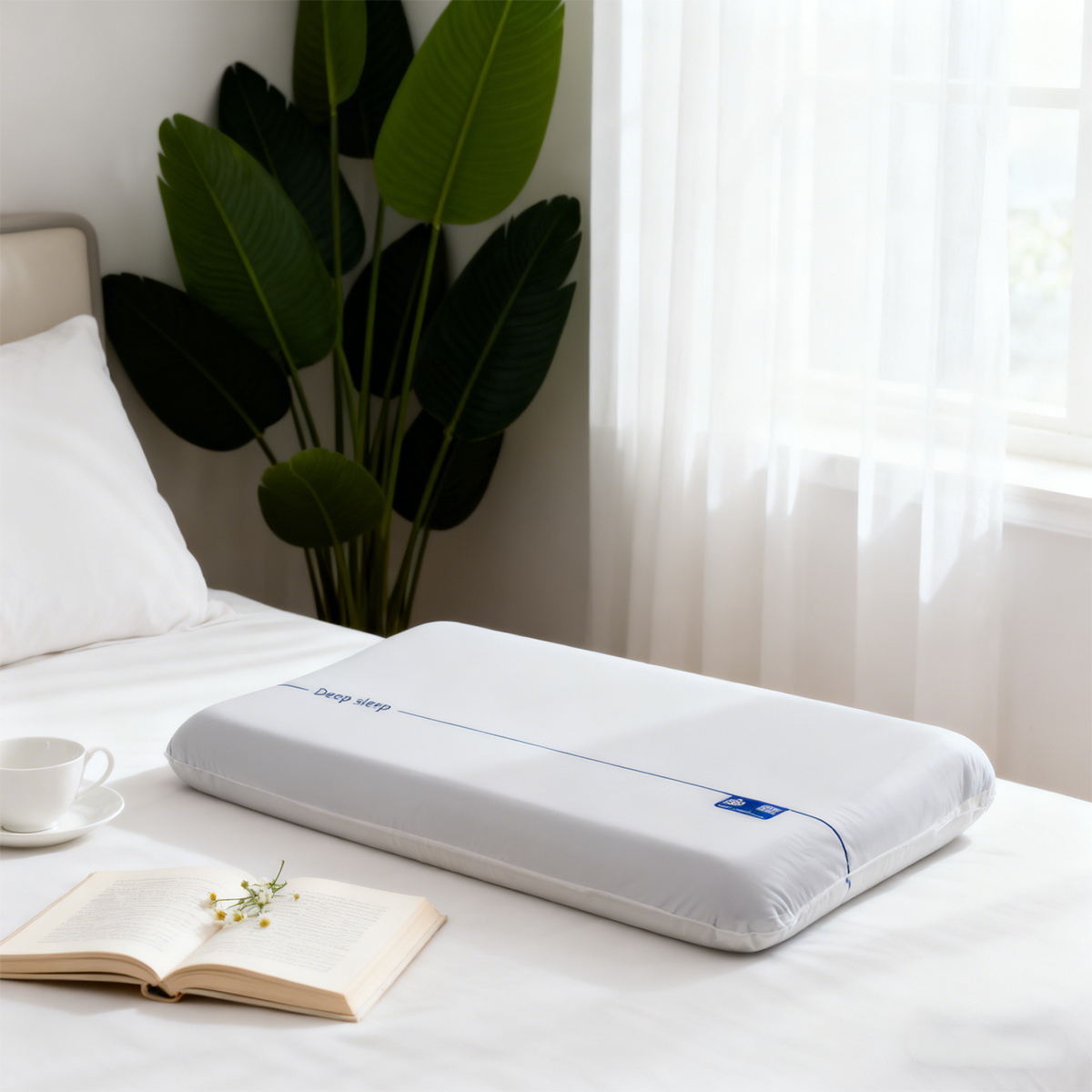
Why Dust Mites Thrive in Warm, Humid Pillow Environments
Pillows basically become little vacation spots for dust mites. They get warm from our body heat, there's usually plenty of moisture in the air around them, and they collect all those tiny bits of dead skin we shed every day. These tiny bugs really love it when things stay above 70 degrees Fahrenheit. Some studies say one regular old pillow might actually be home to over a million of these mites according to Allergy UK research last year. What makes them so problematic? Well, their waste products and old bodies release stuff that can cause serious allergic reactions like asthma attacks, runny noses, and even skin rashes. Most pillows today are made with materials that trap dampness and dirt pretty easily. Think about down feathers, memory foam, or polyester stuffing. All these materials just let the problem get worse over time by holding onto moisture and creating the perfect environment for mites to multiply and spread their allergens everywhere.
The Science Behind Dust Mite–Proof Barrier Protection
Good pillow protectors work through physical barriers instead of relying on chemicals. The ones certified by AAFA are made with really tight weave fabrics where the pores measure less than 6 microns across. That's tiny enough to stop dust mites along with those pesky allergens they leave behind, yet still lets air and moisture escape properly. Standard pillowcases just don't cut it here since they haven't been tested against actual allergen penetration standards. When these protectors seal up the inside of the pillow, they keep skin flakes and dampness from getting in there, basically cutting off the mites' food supply and water source at once. Most high quality options today combine different types of microfibers to achieve this protective effect while keeping things breathable enough for comfortable sleep throughout the night.
Clinical Evidence: Pillow Protectors' Impact on Allergy Symptoms
People who regularly use certified pillow protectors tend to see real improvements in their allergy symptoms. Research from 2023 showed that those sleeping on AAFA-approved protectors had about half as much nighttime wheezing and stuffiness after just eight weeks. Laboratory tests proved these special covers trap more than 95% of dust mites and their allergens before they can settle on the sleeper's face. Both the American Academy of Allergy, Asthma & Immunology and the Asthma and Allergy Foundation of America now list allergen-proof pillow covers as top recommendations for folks dealing with allergies, right alongside medication options. Pillow cases that aren't protected collect roughly ten times more dust mites in just six months, which makes regular use of these barriers an important step in managing indoor allergens effectively.
How Pillow Protectors Prevent Stains from Sweat, Oil, and Cosmetics
Daily Exposure: How Bodily Secretions and Skincare Products Stain Pillows
Pillows soak up all sorts of stuff every night including sweat, oil from our skin, and leftover bits from hair treatments, lotions, and face makeup. Think about it: most adults actually release around 26 gallons of sweat each year while sleeping right there on their bedsheets. The chemicals in our skincare products such as retinol, vitamin C, and those colorful iron oxide pigments don't just sit nicely on top of fabrics either. They get mixed in with the fibers and start reacting with oxygen, which leads to those annoying yellow stains that never seem to wash out completely. Then there are the oils from our hair and the dyes we use for coloring, which literally stick to both cotton and polyester pillowcases at a molecular level, creating stubborn stains that go way beyond surface cleaning. When left unprotected, all these substances work their way down into the actual filling of pillows, making them break down faster and become less hygienic as months pass by.
Barrier Function: Repelling Moisture, Oils, and Stain-Causing Residues
High quality protectors use tightly woven fabrics along with special water repelling coatings to form a barrier that stops liquids from getting through. When something spills on these protectors, whether it's sweat, oil from skin, or makeup mixtures, the liquid just forms beads and slides away instead of soaking in. Tests done by outside labs indicate these protective layers can stop around 95 to 98 percent of everyday stains while still letting moisture escape so people stay comfortable. What makes this really important is how these protectors catch leftover bits before they ever touch the actual pillow material, which keeps everything looking good and working properly over time.
Real-World Results: Long-Term Pillow Cleanliness with Protectors
People who put quality protectors on their pillows tend to see about 70% fewer stains showing up after just a year compared to those who don't use any protection at all. Tests have shown that with regular use of these covers, most pillows stay looking white and fluffy for three years or longer. Without protection, most pillows start to yellow and lose their shape somewhere between 12 and 18 months. The good news is that dirt and spills mostly stick to the removable cover rather than soaking into the actual pillow itself. This makes cleaning much easier and means people don't need to replace their pillows so often. Over time, this translates to cleaner sleeping surfaces, better head support while resting, and real money saved in the long run.
Dual Protection: Combining Stain Resistance and Dust Mite Prevention in One Pillow Cover
Smart Design: How Modern Protectors Offer Comprehensive Pillow Defense
Modern pillow protectors now combine two important hygiene features in one smart design. The outside is treated to push away sweat, body oils, and makeup leftovers something that matters because pillows soak up around 40% of what we perspire while sleeping at night. Inside, the fabric passes AAFA standards since it has tiny pores smaller than 6 microns which stops those pesky dust mites and other allergens from getting through. These protectors also come with full coverage zippers so there are absolutely no openings where mites might sneak in or liquids could leak past. By combining these functions in one product, people don't need to buy separate covers for stains and allergies anymore. Tests by the International Sleep Products Association show these combined protectors actually make pillows last 3 to 5 years longer than usual before they need replacing.
Market Trend: Rising Demand for Multi-Functional Pillow Hygiene Solutions
People are starting to prefer all-in-one solutions these days. Take pillow protectors for instance - sales jumped by 28% last year according to the Home Textiles Report. About six out of ten buyers have allergies and want something that tackles multiple problems at once. They look for products that stop allergens in their tracks, prevent fabrics from breaking down over time, and keep mold and bacteria away from damp spots. This trend shows how our habits are changing. The Sleep Health Index found that around three quarters of adults now see bedding protection as part of basic hygiene rather than just something nice to have. With more research coming out about what happens when pillows get contaminated over time, folks are gravitating toward those protectors that actually work based on real science tests.