
 EN
EN
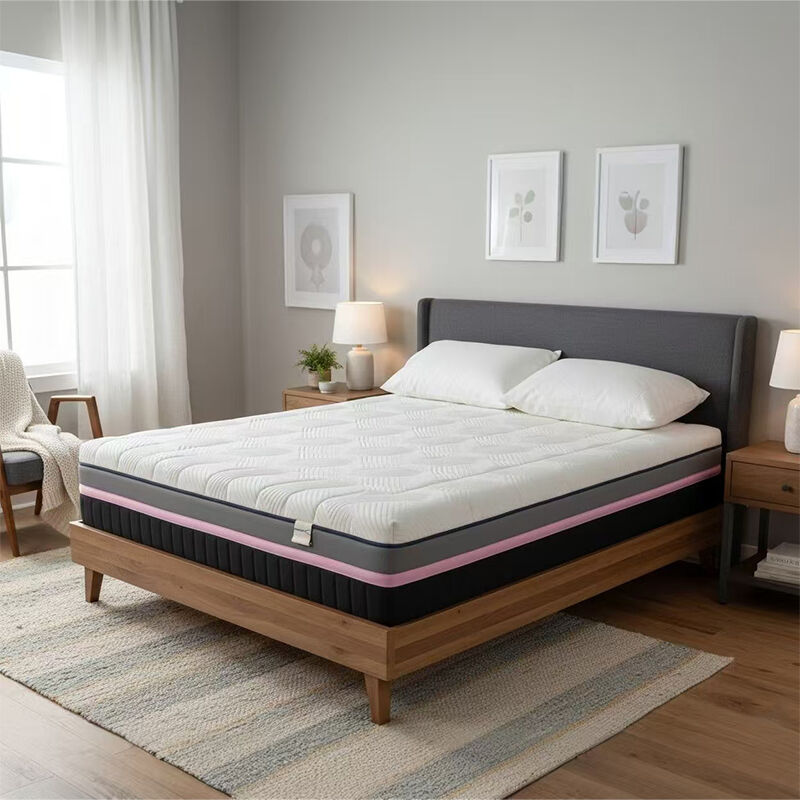
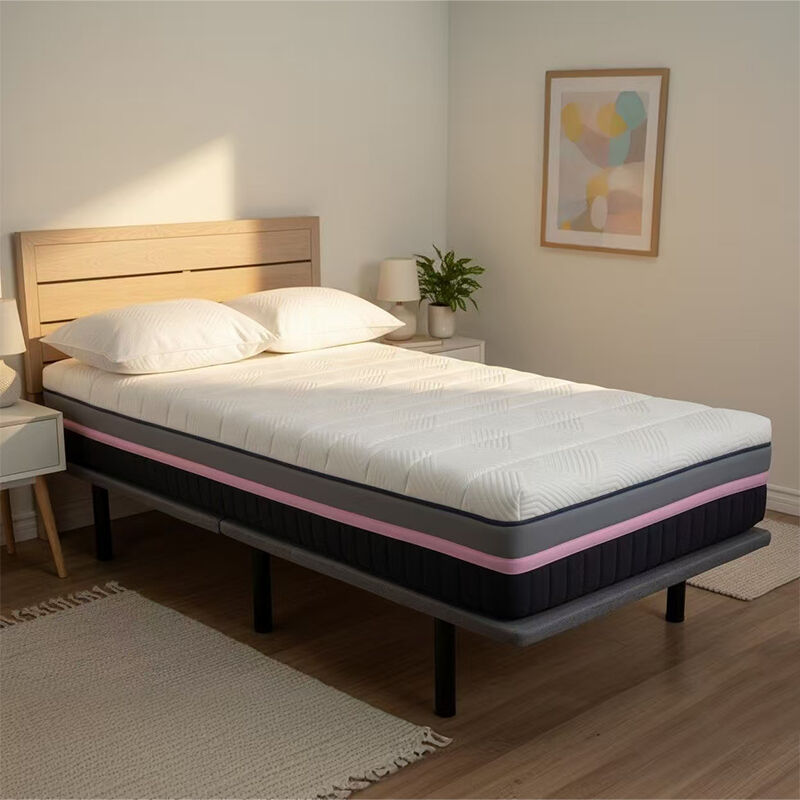
Pressure-Sensitive Material: The Core of Adaptability
Working with Xiarsr Furniture for years has allowed me to witness firsthand how a memory foam mattress excels at adapting to different sleeping positions. Just four months ago, a couple from North America visited our showroom—they had conflicting needs: the husband was a side sleeper who needed shoulder support, while the wife preferred sleeping on her back and struggled with lower back pain. We recommended our 10cm thick memory foam mattress, and after a month of use, they both reported better sleep. At Xiarsr, our memory foam mattress is made with pressure-sensitive viscoelastic foam that responds to body heat and weight. Unlike traditional innerspring mattresses that offer one-size-fits-all support, this material softens where pressure is applied and retains firmness in areas that need lift. For side sleepers, the foam gently conforms to the shoulders and hips, reducing pressure points that cause numbness. Back sleepers benefit from the foam’s ability to cradle the lower back, maintaining spinal alignment. A hotel client in Southeast Asia replaced their old mattresses with our memory foam models, and guest feedback revealed a 70% reduction in complaints about discomfort from different sleeping positions.
Adapting to Side Sleepers: Relieving Shoulder and Hip Pressure
Side sleepers often struggle with pressure on their shoulders and hips, but a high-quality memory foam mattress addresses this by contouring to the body’s curves. At Xiarsr, our memory foam mattress has a medium-firm density that balances support and cushioning—critical for side sleepers. Last year, a customer from Europe who had been a side sleeper for decades shared that our memory foam mattress eliminated the shoulder pain she’d endured for years. The foam adapts to the width of her shoulders and the shape of her hips, creating an even surface that keeps her spine aligned. We also engineer our memory foam with open-cell structure to enhance breathability, preventing overheating—a common concern for side sleepers who tend to sink deeper into the mattress. Dr. Emma Lee, a sleep ergonomist, explains, “A memory foam mattress that adapts to side sleepers distributes weight evenly, reducing pressure on joints by up to 50% compared to traditional mattresses.” A physical therapist in Australia recommended our memory foam mattress to her patients who are side sleepers, noting that the adaptive support helps speed up recovery from joint injuries. For side sleepers, a memory foam mattress isn’t just comfortable—it’s a solution to long-term discomfort.
Supporting Back Sleepers: Maintaining Spinal Neutrality
Back sleepers require a mattress that supports the natural curve of the lower back while keeping the head and neck aligned. Our memory foam mattress at Xiarsr is designed to do just that. The foam gently lifts the lower back, filling the gap between the body and the mattress that often leads to slouching. A middle-aged client from Southeast Asia shared that after switching to our memory foam mattress, his chronic lower back pain improved significantly—he’d previously used a firm innerspring mattress that didn’t provide enough cushioning. We test our memory foam to ensure it has the right responsiveness: it should adapt quickly to the body’s shape but not sink too much, which would misalign the spine. Our mattress also features a supportive base layer that reinforces the foam, ensuring consistent support for back sleepers even after years of use. According to the International Society of Orthopaedic Surgery and Traumatology, a mattress that maintains spinal neutrality can reduce back pain by 60%. A corporate client in North America equipped their employee dormitories with our memory foam mattresses, and surveys showed a 45% improvement in back comfort among back-sleeping staff.
Catering to Stomach Sleepers: Minimizing Spinal Strain
Stomach sleeping is often discouraged due to the risk of spinal strain, but our memory foam mattress is designed to minimize this risk by providing targeted support. Stomach sleepers need a mattress that keeps the hips from sinking too low, which would arch the lower back. At Xiarsr, our memory foam has a firmer density in the core, preventing excessive sinking while still offering enough cushioning for comfort. A young customer from Australia who couldn’t break the habit of stomach sleeping shared that our memory foam mattress reduced his morning neck and back stiffness. The foam adapts to the shape of his torso, keeping his spine as neutral as possible, while the breathable cover prevents overheating. We also advise stomach sleepers to use a thin pillow (or no pillow) with our memory foam mattress to further reduce neck strain. Dr. Mark Wilson, a spinal health specialist, says, “A well-designed memory foam mattress can make stomach sleeping safer by distributing weight evenly and limiting spinal misalignment.” While we always recommend side or back sleeping for optimal spinal health, our memory foam mattress accommodates stomach sleepers with adaptive support that minimizes strain.
Xiarsr’s Expertise in Adaptive Memory Foam Mattresses
At Xiarsr, we don’t just make memory foam mattresses—we craft products that adapt to the unique needs of every sleeper. Our memory foam is CertiPUR-US certified, ensuring it’s free of toxic chemicals and durable enough to maintain adaptability for years. We offer multiple thickness options (8cm, 10cm, 12cm) to cater to different body types and sleeping preferences—thicker mattresses for heavier individuals or those who prefer more cushioning, and thinner ones for lighter sleepers. Our factory direct sales model means competitive prices without compromising quality, and we provide OEM/ODM services for businesses. We also offer a 100-night trial period, so customers can test how the mattress adapts to their sleeping position in the comfort of their own home. A customer in Europe praised our after-sales team for helping her choose the right thickness, and our on-time delivery ensured she didn’t have to wait for better sleep. With Xiarsr’s memory foam mattress, you can trust that it will adapt to your sleeping position, providing personalized support that enhances comfort and protects your spinal health. We’re committed to our mission of “Enjoy Every Day's Sleep” by creating memory foam mattresses that work with your body, not against it.