 EN
EN


A Wooden Slat Bed Frame Needs Regular Waxing to Prevent Drying and Cracking.
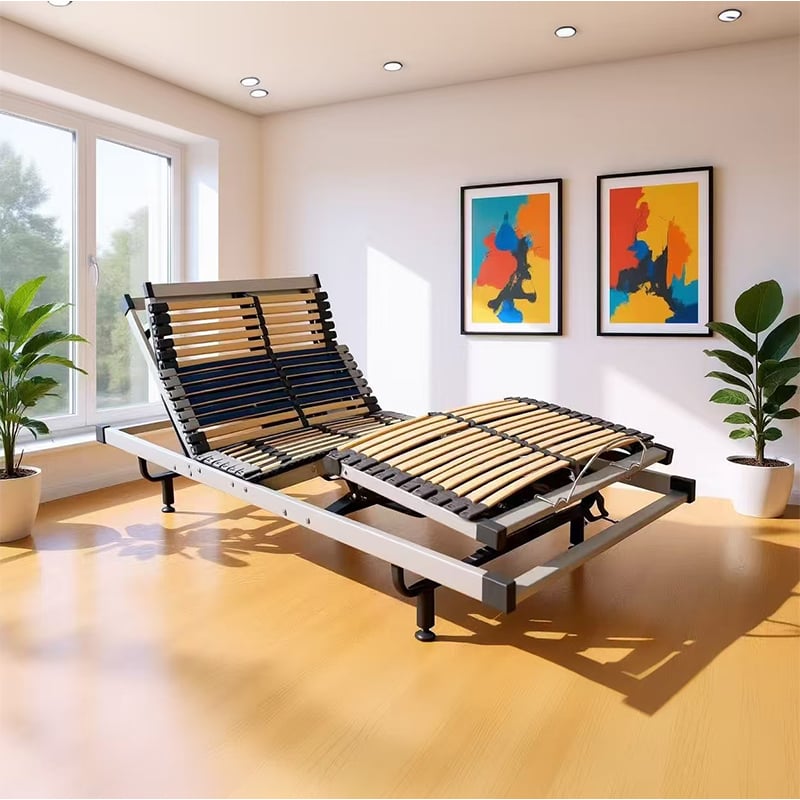
How moisture loss leads to wood shrinkage and structural weakness in wooden slat bed frames
Wood naturally loses 8–12% of its moisture content annually, causing slats to shrink and weaken. As cellular fibers contract, gaps form at joints and load-bearing areas develop microfractures. A 2023 wood preservation study found untreated bed frames lose 40% more moisture than waxed equivalents, accelerating warping and sagging in critical support zones.
The role of environmental factors like humidity and sunlight in accelerating wood drying and cracking
When indoor humidity drops below 40%, it pulls moisture out of wood at about three times the normal rate. At the same time, direct sunlight hitting wooden surfaces can push temperatures all the way up to 140 degrees Fahrenheit (or around 60 Celsius). This heat really starts breaking down those important lignin bonds that hold cellulose together in wood fibers. What happens next is pretty concerning for anyone who owns wooden furniture or flooring. The combined effects of dry air and intense heat put so much stress on the wood that even common species like pine and birch start showing signs of weakness after just about 18 months. Cracks begin to form, and eventually the structure itself fails completely if left unchecked.
Why wooden bed slats are particularly prone to stress fractures without proper care
Repeated flexing from mattress pressure concentrates stress along the grain, especially on curved slats, which experience 30% higher stress than flat boards due to uneven fiber alignment. Unprotected wood develops surface checks that deepen into fractures at about 0.2mm per year under typical use.
Controversy Analysis: Is waxing necessary for kiln-dried hardwood slats?
Kiln drying brings the moisture content down to around 6-8% initially, but what happens after installation is another story entirely. Field data indicates that those nice oak slats we dry in the kiln actually lose about 28% of their natural wax coating within just six months from regular wear and chemical reactions with air. Some folks still swear by extra wax applications as absolutely necessary for protection. Others point to these new UV resistant oils claiming they work just as well. The catch? Independent lab results tell us these oil treatments need touching up every other time compared to traditional wax mixtures. So there's definitely something to consider when weighing long term maintenance costs against upfront expenses.
Best Practices for Waxing a Wooden Slat Bed Frame
Step-by-Step Guide to Preparing a Wooden Slat Bed Frame for Wax Application
First things first, get rid of any old wax buildup using something safe for wood such as mineral spirits works well here. Dust out those hard to reach places between the joints and in all the little crevices, especially under the slats where dirt tends to collect over time. For spots that look rough or uneven, give them a quick sanding with 220 grit sandpaper. This helps prepare the surface so new treatments stick better later on. According to research published last year in the field of furniture maintenance, when people actually take the time to clean their frames properly before applying anything else, they end up getting about 30 percent more coverage from whatever wax they apply compared to skipping this step altogether.
Choosing Appropriate Products for Wood Care: Furniture Polish vs. Pure Wax
Use pure beeswax instead of commercial polishes containing silicone, which can create slippery, unsafe surfaces on load-bearing slats. For oak or birch frames, opt for waxes with carnauba additives—recommended by 78% of restoration experts in a 2024 survey—for enhanced moisture resistance.
Techniques for Even Wax Distribution on Curved and Flat Wooden Bed Slats
When applying paste wax, start with small amounts about the size of a dime and spread them out using some folded cheesecloth. For those curved wooden pieces, go ahead and use circular motions so the wax gets into all those little nooks and crannies. Flat surfaces are easier - just make long strokes that overlap each other going along the direction of the wood grain. If working with tight grained woods such as maple, sometimes using a heat gun set to low can really help the wax penetrate better. Just remember to keep the heat gun moving around constantly though, otherwise there's a real risk of scorching the surface.
Drying Times and Buffing Methods to Achieve Shine and Protection
Allow 45–90 minutes drying time depending on humidity—test readiness by pressing a knuckle lightly; no imprint means it's ready. Buff with clean microfiber cloths in alternating directions to build cross-hatched protective layers. Monthly light buffing with minimal pressure maintains sheen between full treatments.