 EN
EN


High-Quality Pillows Retain Their Shape Even After Long-Term Use.
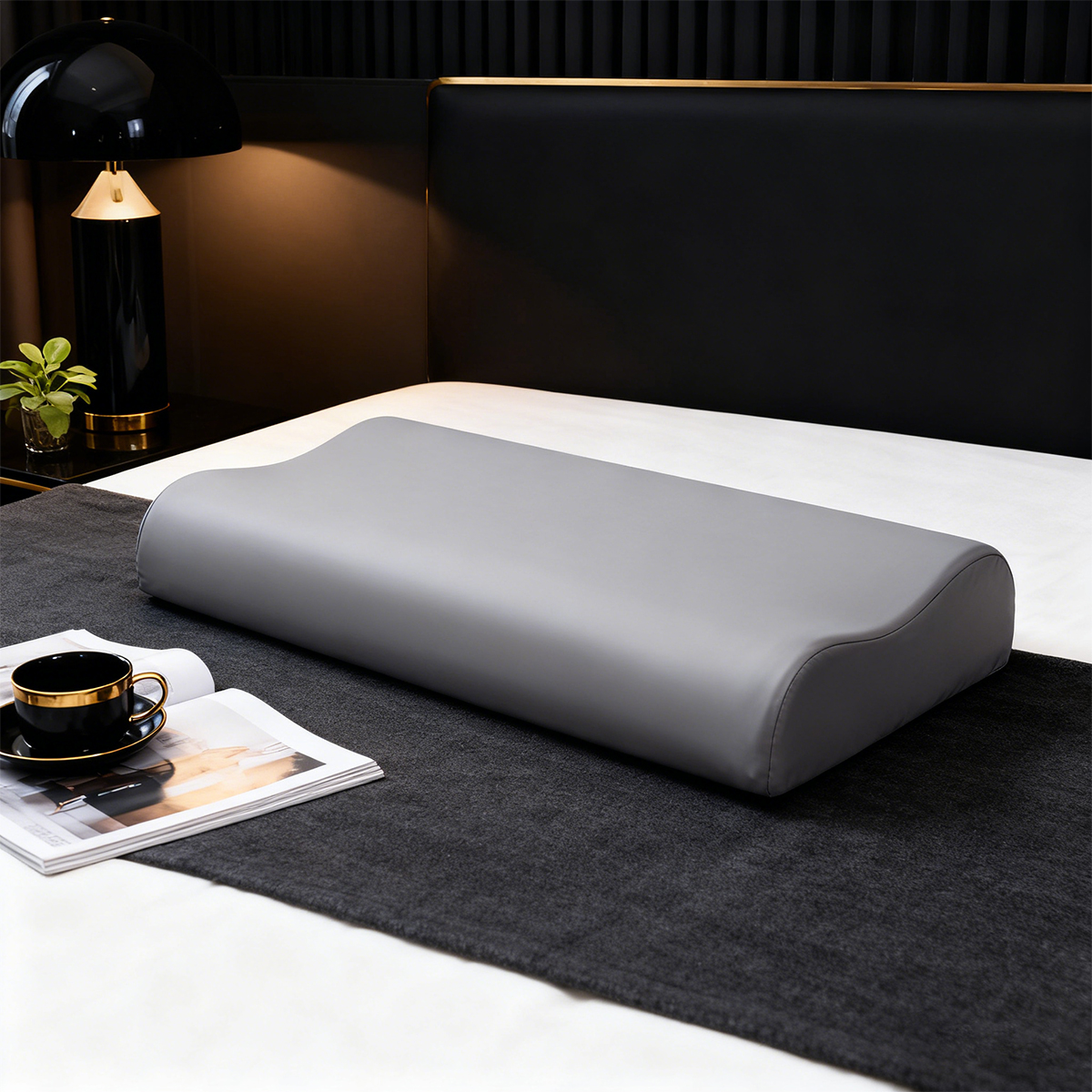
How high-quality pillows preserve structural integrity through repeated use
What makes premium pillows so good at keeping their shape? It all comes down to the materials used in their construction. High density memory foam combined with natural latex spreads body weight out pretty evenly across the surface, which helps avoid those annoying pressure points that eventually flatten regular pillows. Cheaper options just don't hold up the same way because they lack the special open cell structure found in better quality materials. These cells actually bounce back when compressed, rather than staying squished forever. According to research published last year, top quality pillows can still be around 92% of their original height even after being used for 18 whole months. That's roughly three times longer than what we typically see with standard polyester filled alternatives. The reason behind this durability lies in something called cross linked polymers and temperature sensitive viscoelastic stuff (yes, sounds complicated) but basically means the pillow won't get permanently indented no matter how long it sits there.
The principle of resilience and rebound in premium pillow materials
When we talk about resilience in materials, there are basically two things at play here: how well something bounces back (elastic recovery) and what happens to all that lost energy (hysteresis loss). The best quality foams have really low hysteresis, which means they spring back into shape without getting hot during use. Take natural latex as an example. Tests show it actually recovers about 30 percent quicker than regular foam when compressed over time. What makes this possible? Something called molecular memory. These materials essentially remember where they were supposed to be even after going through countless compression events like sleeping on them night after night. And if we look at actual test results from compression set measurements, premium foams typically retain their form with less than 5% change permanently, while cheaper alternatives can lose shape by 25% or more after similar treatment. That's why people who care about comfort often invest in better quality products.
Why most pillows lose loft within 6–12 months: A breakdown of material fatigue
Low quality pillows tend to wear out fast because of material fatigue. The polyester filling inside just gets all clumpy and flat after being compressed over and over again. Standard memory foam isn't much better either. When it gets damp, the foam starts to oxidize and turns into something brittle that breaks apart easily. Research shows that around three quarters of cheaper pillows don't pass support tests after just twelve months. Why? A combination of things happens - fibers move around (fiber migration), the polymers break down from sitting in sunlight and getting oily from skin contact, plus many of these foams simply aren't dense enough. Anything under 3.5 pounds per cubic foot tends to compress permanently without bouncing back. On the flip side, investing in higher quality options can make a big difference. These better made pillows hold their shape for about three to five years longer before they start falling apart completely.
Long-Term Performance Comparison of High-Quality Pillow Materials
Memory foam vs. polyester: Durability, support, and sag resistance over time
When it comes to lasting durability and back support, high density memory foam beats polyester hands down. Most memory foam retains around 90% of its supportive qualities even after two full years of use, whereas polyester based pillows tend to flatten out quite a bit losing roughly 40% of their initial fluffiness within just one year. What makes memory foam so special is how it responds when compressed. Quality products have this unique ability to bounce back slowly but surely, maintaining proper shape throughout the night. Polyester materials don't fare nearly as well though. They start breaking down pretty quickly from all that nightly pressure, which leads to annoying sag spots forming over time. These problem areas throw off spinal alignment and generally make for a less comfortable sleep experience overall.
Natural latex: Results from 2-year compression testing and real-world use
Latex from nature really stands up well over time. When tested through about 20,000 compressions (that's roughly what happens during two years of regular sleeping), most natural latex keeps around 95% of its initial height. People who have used these products for real tell similar stories - many say their necks still get good support even after three years or so. The reason? Natural latex has this open cell structure that lets air flow through better than other materials. Plus, it doesn't attract mold or dust mites like some alternatives do, and stays cooler too. Synthetic foams just don't hold up as well in comparison. They tend to sink in permanently where pressure is applied and gradually lose their springiness as time goes on.
Emerging trend: Consumer shift toward plant-based memory foam for sustainable longevity
More people these days are going for plant based memory foam made from stuff like soy or algae because it lasts longer and is better for the planet. The bio foams actually hold up just as well as those old petroleum based ones in terms of how dense and supportive they are, but without all the bad stuff for the environment. Lab tests have found that after being aged quickly, these materials bounce back about 25 percent longer than regular foams do. Plus there's less of that chemical smell when first unpacked, and they tend to stay useful much longer too. For folks who care about their health and want something that won't hurt Mother Earth, this seems like a smart switch to make.
How to Tell When a High-Quality Pillow Needs Replacing
Visible signs of wear: Sagging, flattening, and permanent indentations
No matter how good they are, even the best pillows will start showing wear over time. When looking at your pillow, watch for telltale signs it's time for a replacement. Does it sag and not bounce back to its original shape after sleeping on it? Are there spots where the pillow has flattened out covering more than a quarter of its surface area? What about those deep dents that go down past an inch and a half? And let's not forget about the annoying bumps and clumps inside that make lying on it uncomfortable. Studies indicate that around four out of five people don't notice these warning signals until their neck starts hurting. That makes regular checks all the more important if we want to avoid discomfort down the road.